
About Us
About Rajkot
Rajkot is a major city in western Gujarat and the largest urban center in the Saurashtra region. It is known for its strong industrial base, especially in automobile parts, casting, engineering goods, and jewelry manufacturing. The city has deep historical significance, as Mahatma Gandhi spent part of his early life here at Kaba Gandhi No Delo. Rajkot offers a balanced lifestyle with modern infrastructure, educational institutions, healthcare facilities, and affordable living. It is well connected by road, rail, and air to major cities like Ahmedabad, Mumbai, and Surat. The city experiences a hot semi-arid climate with warm summers, mild winters, and seasonal monsoons. Rajkot is culturally vibrant, with festivals like Navratri, Uttarayan, and Diwali celebrated enthusiastically. The food culture is rich, especially Kathiyawadi cuisine known for its spicy and flavorful dishes. Green spaces like Aji Dam, Nyari Dam, and Race Course Grounds provide recreation for residents. Overall, Rajkot continues to grow as a key commercial, industrial, and residential hub in Gujarat.
Glance of Rajkot
Area
~170 km²
Population
20 lakh (2 million)
Spoken Language
Hindi, English, Gujarati
Revenue
30,00,00,000 Per Anum
RAJKOT
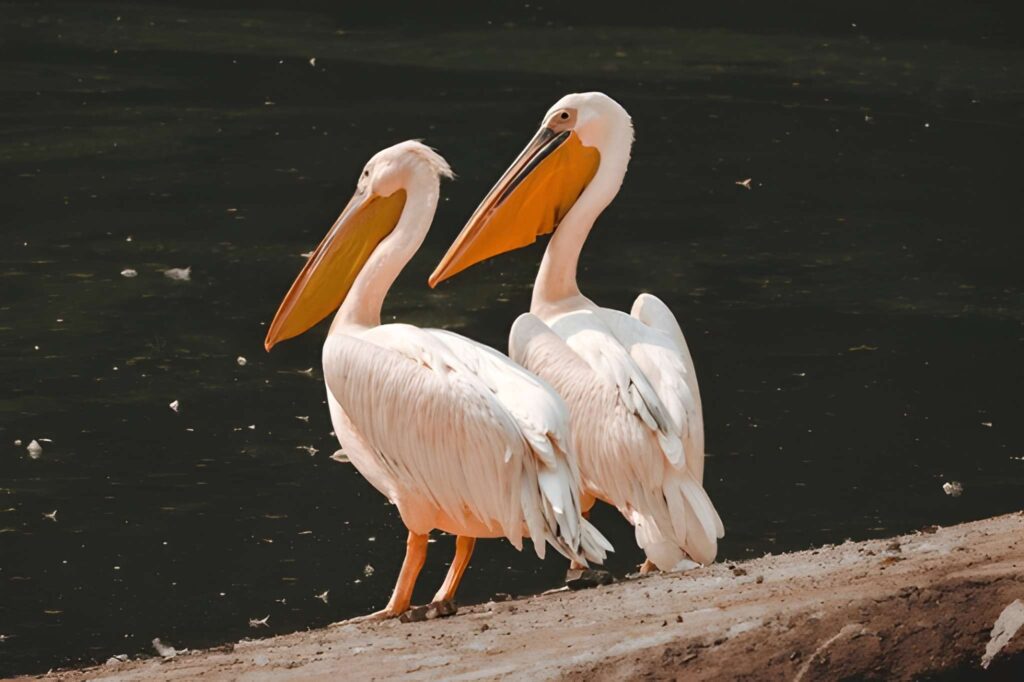
Rajkot Nature
several green parks and gardens that add freshness to urban life. Places like Ishwariya Park provide a refreshing blend of greenery and open space, where families, joggers, and children connect with nature daily. Beyond specific locations, the beauty of Rajkot lies in its simple, grounded landscape—flat terrains, rural outskirts, and seasonal greenery during monsoons. When rains arrive, the surroundings transform with lush fields and a refreshing earthy fragrance that truly defines the soul of SaurashtraBeyond specific locations, the beauty of Rajkot lies in its simple, grounded landscape—flat terrains, rural outskirts, and seasonal greenery during monsoons. When rains arrive, the surroundings transform with lush fields and a refreshing earthy fragrance that truly defines the soul of Saurashtra
History Of Rajkot
Rajkot, a prominent city in Gujarat, was founded in 1612 by Thakur Saheb Vibhaji Ajoji Jadeja of the Jadeja Rajput clan. It initially served as the capital of the princely state of Nawanagar and later became an independent princely state under British suzerainty. During the British period, Rajkot developed modern civic infrastructure, educational institutions, and administrative systems, which helped shape it into an important regional center. The city holds a special place in India’s freedom struggle because Mahatma Gandhi spent his childhood years here; his family home, Kaba Gandhi No Delo, remains a significant historical site. After India’s independence in 1947, Rajkot became part of the former Saurashtra and later the state of Gujarat in 1960. Over time, the city grew rapidly into an important industrial, educational, and commercial hub, especially known for engineering and manufacturing industries, while still preserving its rich cultural heritage and historical legacy. the major cities of Gujarat, has a rich and layered history that reflects the political, cultural, and economic evolution of the Saurashtra region. The city was founded in 1612 by Thakur Saheb Vibhaji Ajoji Jadeja, a ruler of the Jadeja Rajput clan, and initially developed as a fortified settlement and administrative center. For a period, Rajkot served as the capital of the princely state of Nawanagar, before emerging as a separate princely state under British protection. During the British era, Rajkot witnessed significant modernization, including the development of roads, railways, municipal governance, and educational institutions, which laid the foundation for its future urban growth. The city also played an important role in India’s freedom movement, as Mahatma Gandhi spent his early years here; his residence, Kaba Gandhi No Delo, became a center of social and political thought and remains a symbol of national heritage. After India gained independence in 1947, Rajkot was merged into the former Saurashtra and later became part of Gujarat in 1960. In the post-independence period, the city experienced rapid industrialization and urban expansion, especially in engineering, foundry work, and small-scale manufacturing, earning it recognition as an industrial hub of the region. Alongside industrial growth, Rajkot has preserved its cultural traditions, language, festivals, and educational legacy, making it a city where historical roots and modern development coexist strongly.
Popular Places Of Rajkot
 Khichdi + Jalebi
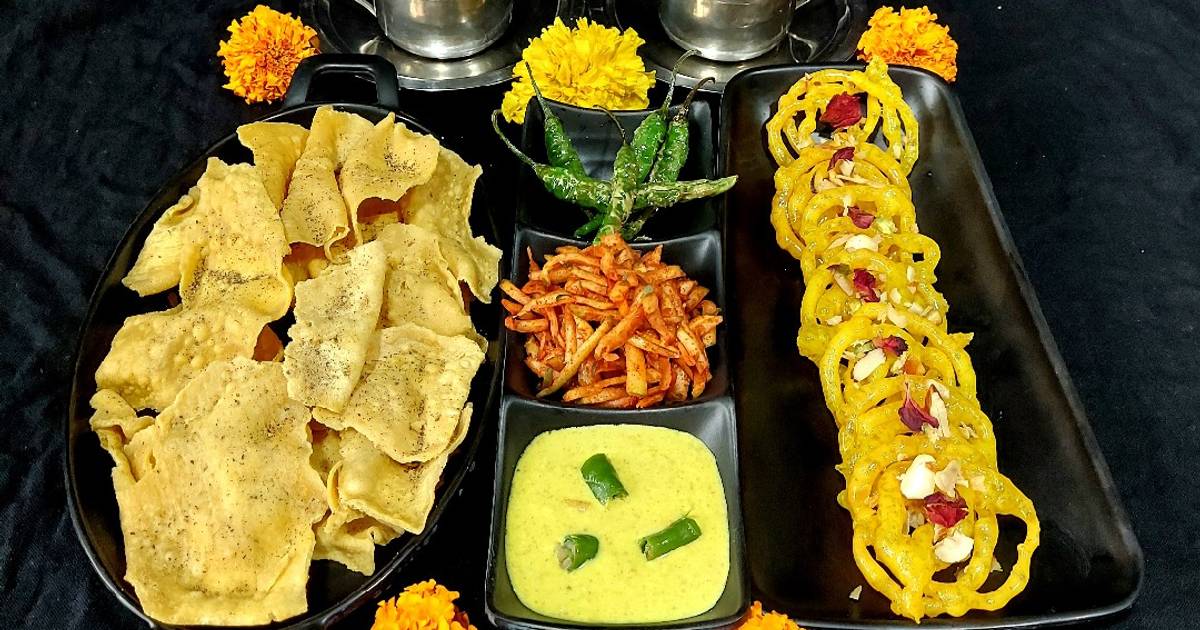 Fafda & Jalebi
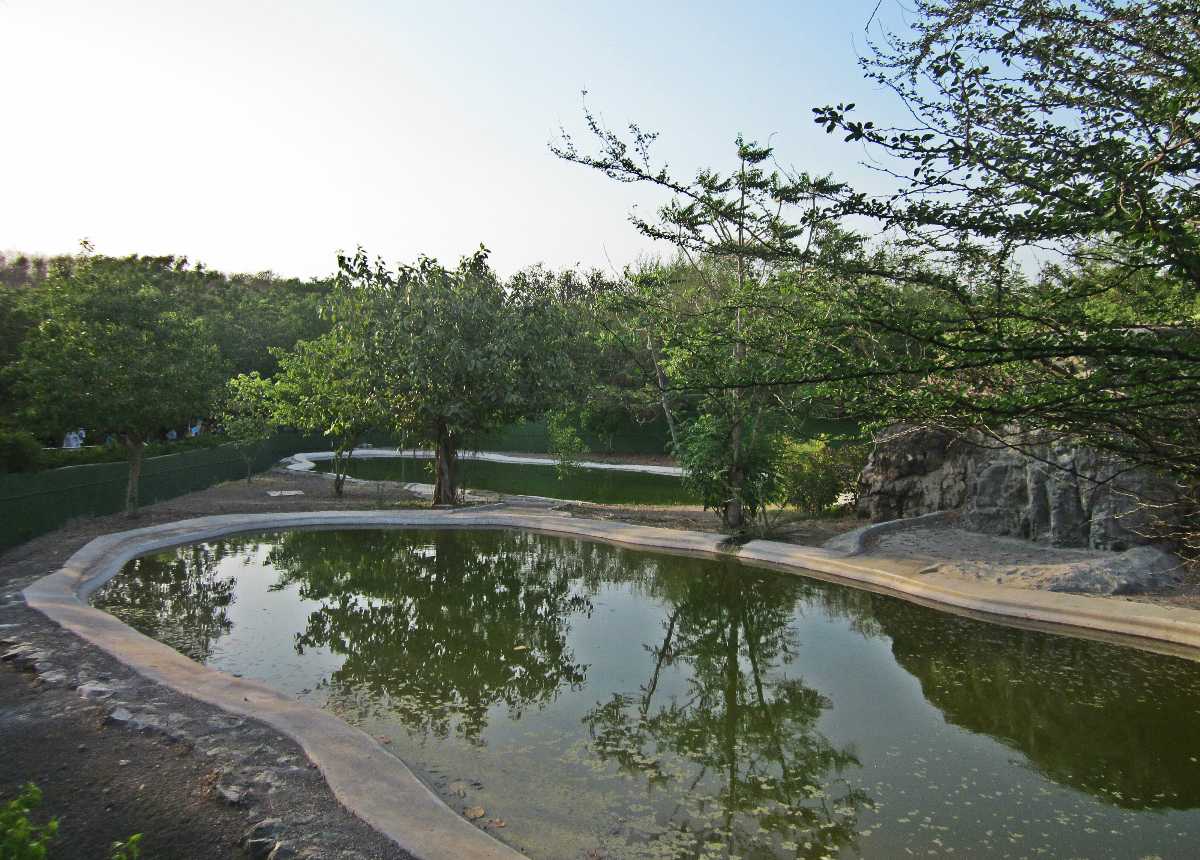 Pradyuman Park
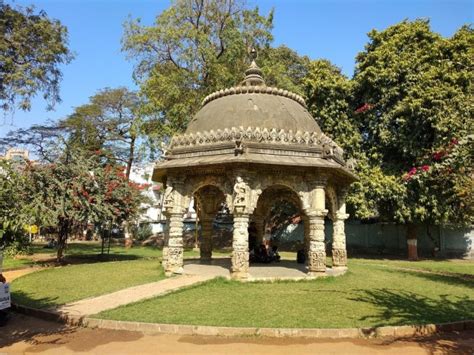 Rotary Dolls Museum
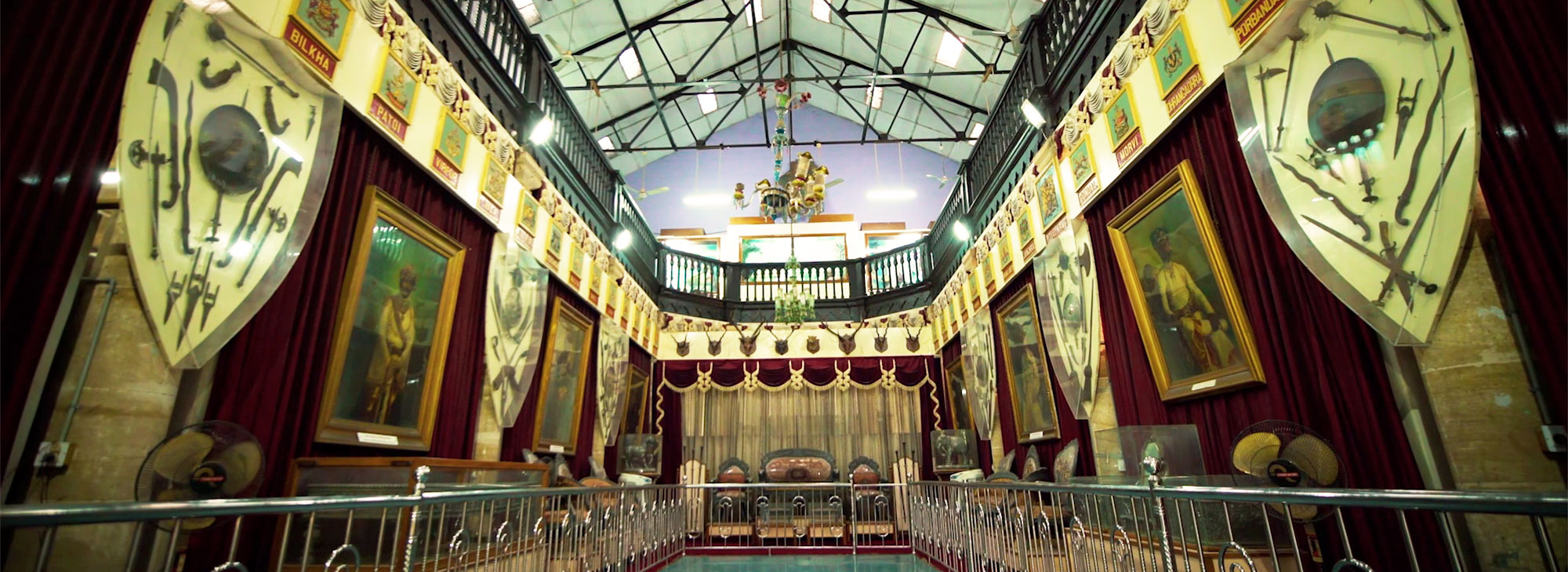 Jubilee Garden
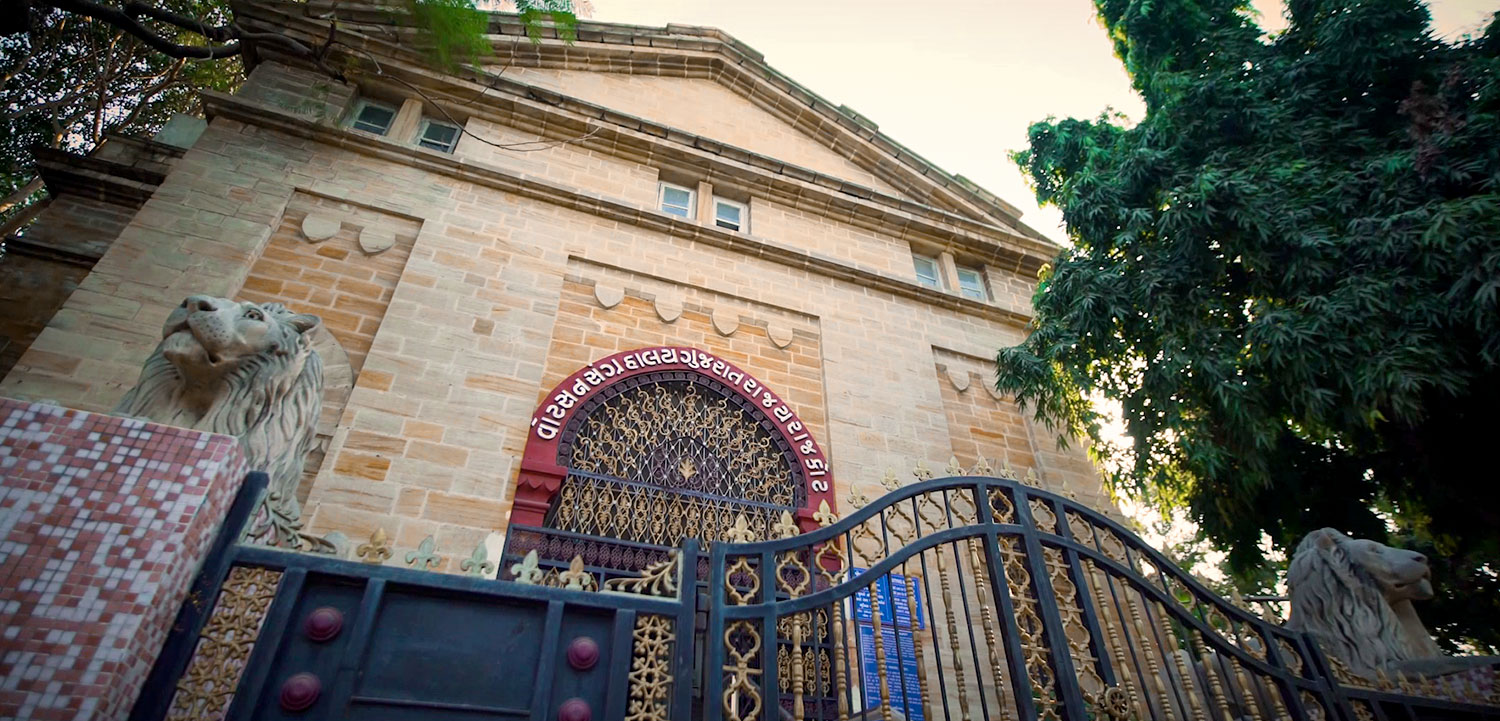 Watson Museum
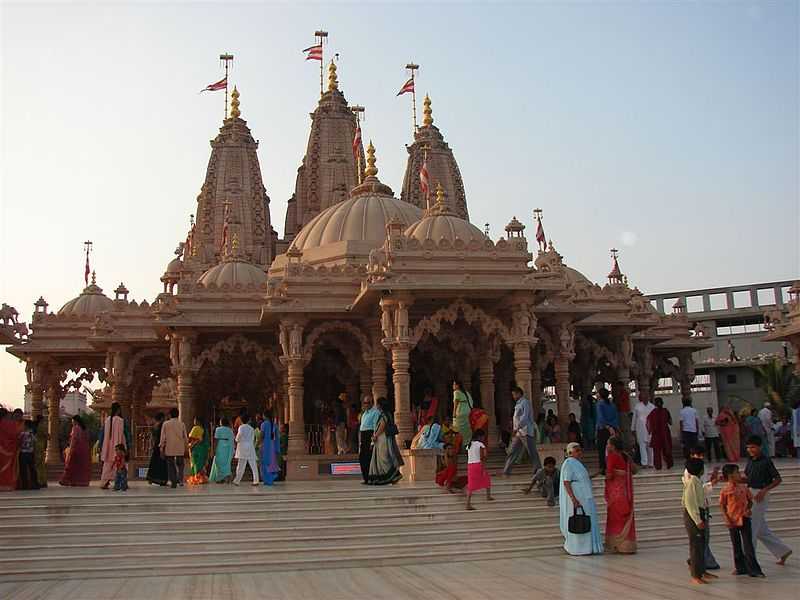 Ram Temple
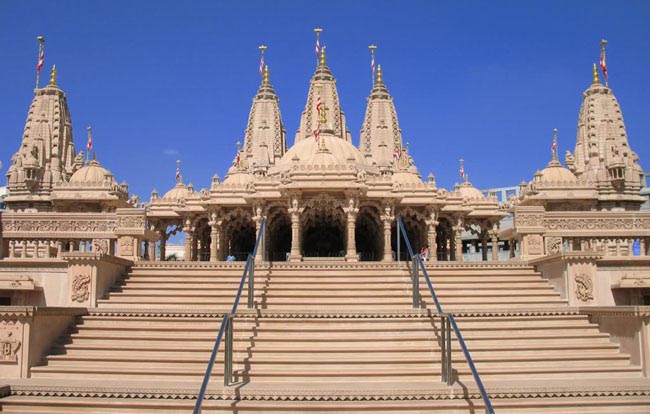 Swaminarayan Mandir
×
![]()
×
![Preview]()